Fall Pest Control Services Sussex County Homes Should Not Skip
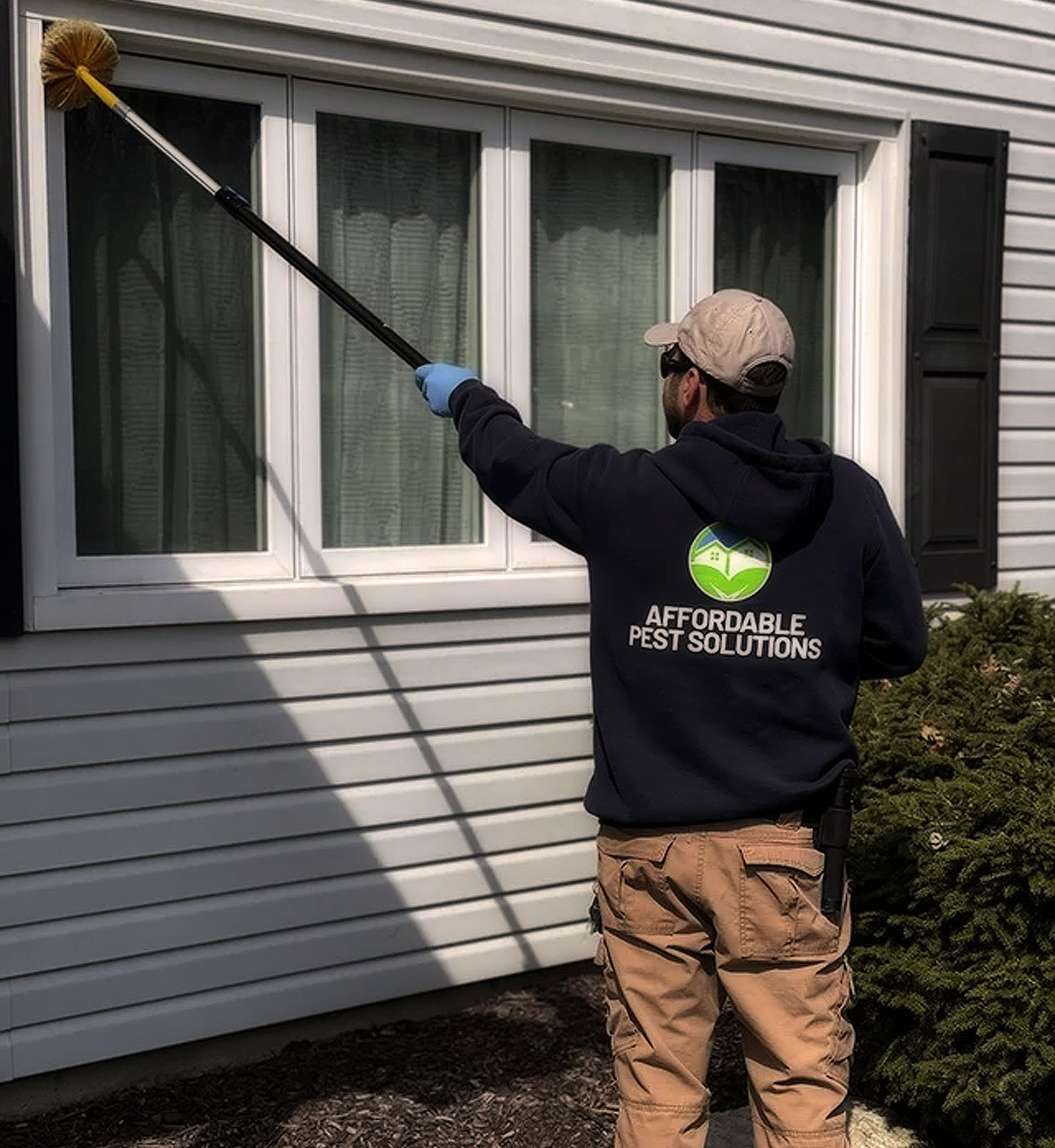
By the time fall settles into Sussex County, most homeowners are thinking about leaf cleanup, furnace checks, and getting the gutters clear before the first hard freeze. Pest control often ends up lower on the list, usually because people assume bugs and rodents are fading out with the summer heat. In practice, the opposite is often true. Fall is when many pests stop wandering and start looking for shelter, warmth, and dependable food and water. Your home offers all three.
That seasonal shift matters in this part of New Jersey. Sussex County homes range from older farmhouses with stone foundations to newer developments tucked near wooded lots, lakes, and open land. Each setting creates its own pest pressure. A house bordered by mature trees may see carpenter ants, stink bugs, cluster flies, and mice. A home near a field or horse property may deal with rats, voles, or wasp activity around outbuildings. Properties near water can have moisture issues that attract overwintering insects and occasional invaders. Fall is where those conditions start to collide.
Homeowners often call after they hear scratching in the walls, spot droppings under the sink, or find a line of ants in the pantry on the first cold night. At that point, the job is still manageable, but it is almost never as simple, quick, or inexpensive as preventing the issue a few weeks earlier. That is why certain fall pest control services Sussex County homes need are not optional extras. They are basic protective maintenance, much like sealing a drafty window or cleaning a chimney before winter.
Why fall changes the pest picture
Pests behave differently in September and October than they do in June. Summer activity is about expansion. Fall activity is about survival. Rodents begin testing structures for entry points. Spiders become more visible because prey patterns shift and mating activity changes. Stink bugs gather on sunny sides of homes, then slip into wall voids and attics. Wasps become more aggressive around food sources as colony behavior changes late in the season. Cockroaches and ants that stayed mostly hidden outdoors can move inside once nighttime temperatures drop.
In Sussex County, those transitions can happen quickly. A warm stretch in early fall may lull homeowners into thinking pest season is winding down, then a sharp cold snap pushes insects and rodents toward the house almost overnight. I have seen homes stay quiet through most of September, then suddenly produce three separate pest complaints in the same week once temperatures dipped into the 40s at night.
The important point is timing. Once pests are established inside wall cavities, basements, crawl spaces, or attic insulation, the service approach changes. Instead of focusing on exclusion and barrier work, treatment may require trapping, targeted product application, sanitation adjustments, follow-up monitoring, and repairs. The most effective fall programs focus on preventing that move indoors before it happens.
Rodent exclusion is the service too many people delay
If there is one service Sussex County homeowners should treat as urgent in the fall, it is rodent inspection and exclusion. Mice do not need a dramatic opening to get inside. A gap around a pipe, a poorly sealed garage door corner, a damaged soffit, or a foundation crack can be enough. Once they enter, they rarely stay near the point of access. They move along framing, utility lines, and hidden edges, which is why the first sign may be heard in a bedroom wall or found in a pantry cabinet far from the actual opening.
Older homes in the county are especially vulnerable. Stone foundations, fieldstone basements, aging bulkhead doors, and additions built at different times can create plenty of hidden access points. Newer homes are not exempt. Utility penetrations are often the weak spot there, especially where cable, HVAC lines, or irrigation controls pass through exterior walls.
A proper fall rodent service should include more than bait stations dropped in a basement corner. Bait has a role, but it does not solve the reason rodents got in. Good service starts outside. The technician should inspect the lower foundation line, garage perimeter, door sweeps, vents, roofline intersections, and utility entries. Indoors, they should check attics, sill plates, crawl spaces, storage areas, and signs of nesting or travel. The work often involves sealing or screening vulnerable openings, then placing traps or monitoring devices where activity is likely.
That combination matters because poison alone can create headaches. A mouse that consumes bait and dies in an inaccessible wall void can produce odor issues. In homes with pets or small children, placement and product choice need care. On rural or semi-rural properties, exterior baiting can help reduce pressure, but only when paired with structure sealing and habitat adjustments.
A lot of homeowners ask whether one mouse means they really have a problem. In fall, the answer is often yes. Mice are not solitary wanderers in the way people imagine. Seeing one in October can mean more are already nesting nearby, especially if food is accessible and the home has quiet storage spaces.
Stink bugs and overwintering insects are easier to stop than remove
Brown marmorated stink bugs have become a familiar annoyance across New Jersey, and Sussex County gives them plenty of suitable habitat. They feed outdoors through the growing season, then start seeking protected overwintering sites as temperatures cool. The exterior of a home becomes a staging area first. Homeowners notice them gathering on sunny siding, window trim, and upper walls. A short time later, they turn up on curtains, in light fixtures, and near attic access points.
Once they are inside wall voids, removal is mostly reactive. Vacuuming visible bugs helps, but it does not prevent more from emerging on mild winter days. That is why the ideal service window is before or during the early migration period, not after the house is already full of them.
Targeted exterior treatment around entry-prone areas can reduce the number that make it inside. Sealing around window frames, fascia gaps, attic vents, and utility penetrations also helps. The same timing often benefits control of cluster flies, boxelder bugs, and other seasonal invaders that use homes as winter shelter. These are not dangerous pests in the same way rodents or roaches can be, but they create persistent nuisance issues that linger for months once established.
Homeowners sometimes underestimate the value of this service because the insects seem harmless. Then January arrives, the heat runs, and half a dozen bugs appear in the upstairs hallway every few days. The frustration is not just the bug itself. It is the sense that the problem never fully goes away. Fall treatment is what reduces that cycle.
Ants and cockroaches still matter after summer ends
There is a common assumption that ant and roach control is primarily a warm-weather issue. That misses how indoor conditions sustain infestations long after outdoor activity slows. Kitchens, laundry rooms, boiler areas, mudrooms, and basement utility spaces stay warm and humid enough to support pests year-round. Fall is often when hidden activity becomes more visible because colonies and foragers shift inward.
With ants, the species matters. Some are occasional invaders that respond well to perimeter treatment and exclusion. Carpenter ants are a different concern. In Sussex County, wooded lots and moisture-damaged trim create ideal conditions. Fall is not usually when homeowners first notice the colony outdoors, but it is often when indoor sightings become frequent enough to prompt a call. If carpenter ants are active inside, the service should not stop at spraying a trail. Moisture issues, decayed wood, and likely nest sites need to be identified.
Cockroaches are less common in some single-family settings than in dense multifamily housing, but when they show up, delaying service rarely ends well. German roaches in particular thrive on indoor warmth and food access. A fall inspection should focus on appliance voids, plumbing penetrations, condensate areas, and cluttered storage zones. Roach control works best when treatment, sanitation, and follow-up inspections are coordinated. One quick visit is seldom enough for established infestations.
Crawl spaces, basements, and attics deserve attention in autumn
If you asked where the most important fall pest work happens, the answer would often be in the parts of the house people visit least. Finished kitchens and living rooms get the attention because that is where pests are seen. But the real drivers are usually below or above the main living area.
Basements in Sussex County can range from dry and clean to damp and irregular, especially in older homes. Water intrusion, poor ventilation, stored cardboard, and unfinished utility chases create ideal shelter. Crawl spaces are even more vulnerable. A torn vapor barrier, standing moisture, or open vent can support insects and attract rodents. Attics collect another set of issues, including squirrel access, mouse nesting, and overwintering insects entering around soffits or roof vents.
An experienced technician learns a lot from these hidden areas. Fresh gnaw marks, insulation disturbance, insect carcasses on sills, frass from wood-destroying insects, moisture staining, and grease marks along beams all tell a story. Sometimes the smartest service recommendation is not another treatment at all, but a repair. Fix the vent screen, reduce the moisture, trim the branch over the roofline, and the pest pressure drops with it.
That kind of judgment is what separates useful service from performative service. Homeowners do not need someone to fog a basement and call it protected. They need someone who can tell the difference between a one-time nuisance and a recurring structural vulnerability.
Mosquitoes and ticks may still need late-season attention
Fall pest control is not just about what gets into the house. Depending on weather patterns, mosquitoes and ticks can remain active later than many people expect. In Sussex County, wooded and brush-heavy properties often retain tick pressure through much of the fall, especially during milder years. Families with dogs, children, or frequent yard use should not assume the risk ends right after Labor Day.
This matters because autumn is when people do a lot of outdoor cleanup. Raking leaves, splitting wood, cleaning beds, and decorating for the season all increase exposure to tick habitat. If the property had a heavy tick season, a final treatment and habitat review may still be worthwhile. The same goes for mosquito control around clogged gutters, standing water, or neglected drainage areas during warm early fall weeks.
These services should be judged honestly. A late-season mosquito application on a property with freezing nights ahead has limited value. A targeted tick treatment around leaf litter, wood lines, and high-traffic edges in a mild October can be very worthwhile. Good providers explain the difference instead of selling every service at every time.
Wasp and hornet nest treatment should not wait until spring
Every fall, some homeowners notice less activity around a nest and decide to leave it alone until later. Sometimes that works out. Sometimes it creates a dangerous surprise near an entry door, attic vent, shed, or play area during an unexpectedly warm day.
Late-season wasp and hornet behavior can be erratic. Colonies are winding down, but the workers that remain are often more defensive around certain disturbances. Nests hidden in wall voids or roof overhangs can keep producing indoor sightings if they share space with gaps into the house. Exterior ground nests are another problem because leaf cover makes them harder to spot.
Treatment in fall is often straightforward if the nest is accessible and still active enough to identify. The bigger question is whether there is a secondary issue. If yellowjackets are entering through siding gaps, removing the visible nest without sealing the access route leaves the house vulnerable next season. Again, the best service is rarely just the treatment. It is the treatment plus the correction.
The outdoor conditions that quietly drive indoor infestations
Some of the most effective fall pest work does not involve pesticides at all. It involves changing the immediate environment around the home so pests have fewer reasons and fewer routes to come inside. A heavily mulched foundation bed that stays damp, stacked firewood pressed against siding, tree limbs touching the roof, and overflowing gutters all increase pressure.
I once looked at a Sussex County home where the owners were convinced the mouse issue started in the kitchen renovation. The renovation was not the real cause. The issue was a row of arborvitae planted tight to the siding, leaf buildup behind them, and a garage side door with daylight visible at both lower corners. The new cabinets simply made the activity easier to notice. Once the entry points were sealed and the exterior vegetation pulled back, the problem tapered off quickly.
That is why a useful fall service visit should include practical guidance for the homeowner. Not every fix needs a contractor. Some just require attention before winter sets in.
Here are the outdoor conditions worth correcting first:
- Firewood stacked against the home or inside an attached garage
- Shrubs and branches touching siding, gutters, or the roofline
- Leaf debris packed into window wells, foundation edges, and basement stairwells
- Birdseed, pet food, or unsealed trash stored where rodents can access it
- Door sweeps and garage seals that no longer close tightly at the corners
None of these items is dramatic on its own. Together, they create a much easier path for pests.
What a good fall service visit should actually include
Many homeowners have had the experience of paying for pest control and not being sure what they received beyond a quick perimeter spray. Fall service should be more deliberate than that. This is the time of year when inspection quality matters as much as treatment quality.
A strong visit usually begins with questions. Have you heard scratching at night? Seen droppings? Noticed insects collecting on one side of the house? Had moisture in the basement? Stored birdseed in the garage? Small details can redirect the whole inspection. A technician who does not ask anything may miss the actual source of the problem.
From there, the exterior review should focus on likely entry zones and harborage. The interior review should prioritize attics, basements, utility penetrations, under-sink areas, and any spots where pest activity has already been seen or heard. If treatment is needed, the provider should explain why that product or method fits the pest and setting. If exclusion is recommended, they should identify the openings with enough clarity that the homeowner understands the issue.
These are signs the appointment is worth your time and money:
- The technician inspects, not just treats
- The findings are specific to your home, not a memorized script
- Product use is targeted and explained in plain language
- Entry points and contributing conditions are clearly identified
- Follow-up is recommended when the situation genuinely calls for it
That last point matters. Not every home needs an ongoing plan, but some absolutely do. A property backing to woods with recurring mice and stink bugs may benefit from seasonal service. A tight, newer home with one isolated issue may only need a focused fall visit and some repairs.
Choosing services based on the home, not the brochure
One reason homeowners overspend on pest control is that they buy service bundles instead of solving the conditions their property actually has. Fall is a season where customization matters. A lake-adjacent home with moisture issues may need inspection for occasional invaders, crawl space monitoring, and exclusion around vents. A colonial in a development may mostly need rodent proofing and stink bug prevention. A farmhouse with outbuildings may require a broader plan that includes both the main residence and nearby structures that support rodent populations.
This is where local knowledge helps. Pest patterns in Sussex County are shaped by terrain, vegetation, age of housing stock, and the simple fact that many homes sit near woods, fields, or water. The right provider understands that a house Pest Control Services Sussex County in Sparta may have different pressure points than one in Wantage, Vernon, or Newton, even if the complaint sounds similar on the phone.
The phrase Pest Control Services Sussex County should mean more than geographic coverage. It should suggest familiarity with seasonal timing, common structural vulnerabilities, and the kinds of pest transitions local homeowners see every year as the weather turns.
The cost of waiting is usually hidden at first
Homeowners often delay fall pest work because nothing seems urgent yet. There are no visible chew marks on food boxes, no stream of ants across the counter, no nest hanging over the patio. The trouble is that many fall pest issues begin quietly. The sounds in the attic are faint. The gap under the door is easy to ignore. The first few stink bugs on the upstairs window feel like a nuisance, not a warning.
Then winter arrives, and the hidden becomes obvious. Mice Pest Control Services Sussex County settle in and start breeding. Odors develop from inaccessible carcasses after poorly placed baiting. Insects emerge whenever the heat kicks on. Wasp access points go unsealed and become next year's problem all over again. At that stage, the service plan gets longer and the repair list gets more expensive.
Fall is the season where prevention still has leverage. Not perfect control, because no honest professional promises a pest-free property forever, especially in a wooded county with four real seasons. But leverage. Enough time to seal the openings, reduce the pressure, and keep a manageable issue from becoming a winter headache.
For Sussex County homeowners, that is the real value of fall pest control. It is not about reacting to what is crawling across the floor today. It is about understanding what the season pushes toward your home, then closing the door before it gets comfortable inside.
Affordable Pest Solutions LLC
Based in Budd Lake, New Jersey 07828
Service area: Sussex County, Morris County, and Warren County, New Jersey
+1 973-229-9547
FAQ About Pest Control Services Sussex County
What is included in a pest control service in NJ?
A visit generally starts with an inspection to identify the pest and assess activity, access points, and contributing conditions. The proposed service may include treatment, monitoring, exclusion recommendations, and follow-up. Ask which pests and areas are covered by the written quote.
How much does a pest controller charge in NJ?
Pricing depends on the pest, property size, severity of activity, and work required. A single treatment and an ongoing plan can have different costs and coverage. Request an inspection-based estimate that explains the included work, follow-up fees, and warranty terms.
How to prepare my home for pest control?
Ask for instructions specific to the planned service. The technician may need access to inspection areas and may ask you to move belongings or protect food and dishes. Mention pets, aquariums, and any household concerns beforehand. Follow the product label and the technician's instructions about leaving and re-entering treated areas.