Modern Pest Control Services in Warren County for Lasting Results
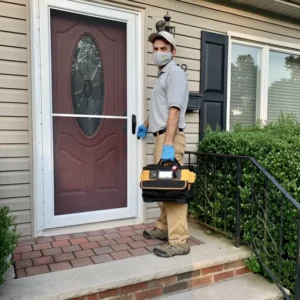
Anyone who has managed a home, rental property, restaurant, warehouse, or office in Warren County knows pest problems rarely stay small for long. A few ants under the sink can turn into a persistent trail through the kitchen. A mouse seen once in a garage often points to a larger access issue. Wasps around an eave in early summer may be manageable for a week or two, then suddenly become a safety concern for children, staff, or customers.
That is why modern pest control is no longer just about spraying a product and hoping for the best. The better approach is deliberate, measured, and built for lasting results. It starts with understanding how pests behave, how buildings invite them in, and how seasonal patterns shape infestation pressure. It also requires judgment. The right treatment for a single family home is not always the right fit for a medical office, a food service facility, or a property that backs up to woods and water.
When people search for Pest Control Services Warren County, they are usually trying to solve one of two problems. Either a pest issue is already active and becoming disruptive, or they want to avoid reaching that point in the first place. The strongest service providers can help in both situations. They respond quickly when there is a visible problem, but they also look beyond the immediate complaint and build a prevention plan that reduces repeat activity month after month.
What “modern” pest control actually means
A lot of companies use the word modern, but in practice it should mean something specific. It means pest control is guided by inspection, monitoring, targeted treatment, and prevention rather than relying on broad, routine applications with little context. It also means technicians understand the building itself. Cracks around utility lines, door sweeps that no longer seal, damp crawl spaces, clogged gutters, overgrown foundation plantings, and poorly stored food are often just as important as the pesticide selected.
In the field, the difference is easy to see. A dated service model might show up, treat every surface the same way, and leave without explaining why pests appeared in the first place. A modern technician usually begins with questions. When did the issue start? Where are sightings concentrated? Has there been recent construction, moisture damage, or a tenant turnover? Are there pets, children, food prep areas, or sensitive storage concerns? Those details matter because they shape both the treatment plan and the follow-up schedule.
Modern service also recognizes that not every pest behaves the same way. Carpenter ants and pavement ants have different nesting patterns. German cockroaches require a different control strategy than occasional invaders like stink bugs. A rodent issue in a detached shed does not carry the same risk profile as rodent activity near a commercial kitchen or within wall voids over a nursery. Good pest control is practical science, not guesswork.
The pests that create the most trouble
Warren County properties can face the same broad pest pressures seen across many mixed residential and commercial areas, especially where seasonal temperature shifts, moisture, landscaping, and human activity intersect. Ants remain one of the most common calls because they are persistent and easy to underestimate. A few foragers on a countertop often mean a much larger colony is established outdoors or inside a hidden void.
Rodents create a different level of concern. Mice and rats contaminate storage areas, damage insulation, chew wiring, and reproduce quickly. One property manager I spoke with years ago described a recurring mouse problem in an older multi-unit building. The tenants kept asking for traps, but the real breakthrough came only after a thorough exclusion job around utility penetrations in the basement and rear service entries. Trap counts dropped, complaints stopped, and service calls became far less frequent. That is a classic example of lasting results coming from structural correction, not just repeated removal.
Stinging insects tend to create urgent calls because the risk feels immediate, and often it is. Wasps nesting under rooflines, in wall voids, or near play areas can turn ordinary outdoor use into a problem. Termites deserve a separate level of attention because the damage is usually hidden and cumulative. Cockroaches, bed bugs, and pantry pests are also serious concerns, especially in apartments, hospitality, health-related settings, and food environments.
Not every property deals with all of these pests, but nearly every property has conditions that favor at least one of them. The job of professional pest control is to identify those conditions before they become expensive.
Why quick fixes often fail
Many property owners first try to manage pests themselves. Sometimes that works for a very minor issue, especially if the problem is truly isolated. More often, the visible pest is only the symptom. The nest, colony, entry point, or moisture source remains untouched. That is why over-the-counter products so often create a cycle of temporary relief followed by repeat activity.
Ants are a good example. Spraying the trail you can see may kill workers on the surface, but it may also scatter the colony or leave the queen untouched. With rodents, setting a few traps in the wrong location can remove one or two animals while several others continue nesting behind walls. Cockroach problems are notorious for this. People will clean aggressively and apply a product they found at a store, but if the harborage areas, sanitation gaps, and hidden populations are not addressed together, the infestation rebounds.
There is also the issue of misidentification. A homeowner Pest Control Services Warren County may think they are dealing with carpenter ants when the pest is actually odorous house ants, or assume a few beetles near a window are random when they point to a stored product problem. Treatment depends on accurate identification. That sounds basic, but it is where many unsuccessful efforts go wrong.
The inspection is where lasting results begin
The most valuable part of many service visits is the part customers never think to ask about, the inspection. A careful inspection can reveal where pests are entering, what they are feeding on, where they are nesting, and why the property is vulnerable now rather than six months ago.
A strong inspection usually includes interior and exterior evaluation. Indoors, technicians look at kitchens, utility rooms, basements, attics, crawl spaces, storage areas, and plumbing points. Outdoors, they assess grading, mulch depth, vegetation contact, standing water, trash handling, foundation gaps, and roofline conditions. In commercial settings, receiving doors, floor drains, break rooms, storage racks, and waste zones deserve close attention.
Sometimes the findings are surprisingly small. I have seen severe recurring insect activity tied to a torn weather seal on a rear door, a leaking hose bib keeping one foundation corner damp, or cardboard inventory stored directly against a wall in a stock room. None of those problems are dramatic on their own, but pests do not need dramatic. They need access, food, water, and shelter.
When customers evaluate Pest Control Services Warren County, this is one of the best indicators of quality. If the company spends no time understanding the site, the service will likely be generic. If they inspect carefully and explain what they see in plain language, the plan is more likely to hold up.
Integrated pest management is the standard worth asking for
The most reliable modern services are grounded in integrated pest management, often shortened to IPM. That phrase can sound technical, but the idea is straightforward. Use the least disruptive methods that will effectively solve the problem, and combine them intelligently.
A proper IPM approach may include:
- Identifying the pest accurately
- Correcting access points and favorable conditions
- Using targeted treatments where they are truly needed
- Monitoring results over time
- Adjusting the plan if pest pressure changes
That structure matters because pests respond to their environment. If moisture remains high, if food is easily available, or if gaps remain open, treatment alone will carry too much of the burden. If those conditions are corrected, treatment becomes more efficient and often more limited.
This is also where communication matters. A technician may do excellent work, but if the customer is not told to trim shrubs off the siding, repair a leak under the sink, or rotate stock in a pantry room, the overall result weakens. The best companies treat service as a partnership. They do not dump responsibility on the customer, but they do explain what changes will have the biggest payoff.
Residential service is about more than comfort
For homeowners, pest control is often framed as convenience, but many issues carry broader consequences. Rodents can affect air quality in attics and crawl spaces. Termites can lead to structural repair costs that far exceed the cost of prevention. Cockroaches and some other pests can aggravate asthma and allergy concerns in sensitive households. Stinging insects change how families use patios, decks, and yards.
Residential work also requires tact. People are inviting a service professional into a private space, often when they are already stressed or embarrassed. Experienced technicians know how to stay calm, explain the situation without alarmism, and separate nuisance activity from true infestation. That professionalism matters. A family with a few spring ants does not need a lecture. They need a clear explanation of what is happening, what will fix it, and how long it should take to stabilize.
Lasting residential results usually come from routine exterior defense combined with interior targeting only when needed. Exterior treatments, exclusion, and habitat correction often reduce the number of pests trying to come inside in the first place. Interior products then become one part of the solution rather than the entire strategy.
Commercial properties have higher stakes
In commercial settings, pest control is tied directly to reputation, compliance, safety, and operating continuity. A single sighting in the wrong place can trigger customer complaints, failed inspections, lost product, or staff disruption. Restaurants, healthcare facilities, schools, retail sites, warehouses, and office buildings all have different exposure points, but the need for consistent documentation and reliable follow-through is the same.
Commercial service tends to work best when it is scheduled, site-specific, and supported by reporting. Managers need to know what was found, what was treated, what conditions need correction, and whether trend lines are improving. For food-related operations, that may include monitoring devices, sanitation recommendations, and tighter coordination with maintenance teams. For multi-tenant buildings, it may involve unit access planning, occupant education, and faster communication between management and service staff.
One recurring issue in commercial work is fragmented responsibility. Housekeeping may handle sanitation, maintenance may own structural repairs, and managers may assume pest control alone can bridge the gap. It usually cannot. The most successful accounts are the ones where everyone understands their role and small issues are handled before they become entrenched.
Seasonal pressure changes how service should be delivered
Pest activity is rarely static through the year. Spring often brings ant activity, overwintering insects emerging, and early stinging insect nesting. Summer increases pressure from flies, wasps, mosquitoes in suitable conditions, and general exterior insect movement. Fall is notorious for rodents and other pests seeking shelter as temperatures shift. Winter may seem quieter, but interior activity can become more noticeable as pests remain concentrated indoors.
This is one reason one-time treatments have limits. They can be useful for acute issues, but many properties benefit more from a seasonal service plan that adjusts focus throughout the year. A technician who understands seasonal timing can intervene before a familiar problem peaks. That is far more efficient than waiting until the infestation becomes visible again.
It is also why customers should be cautious about promises that sound too simple. No credible company can honestly claim a building will never see another pest. What they can do is reduce pressure, close vulnerabilities, monitor patterns, and respond quickly enough that isolated activity does not become chronic.
What property owners can do between visits
Professional service is strongest when the property itself is not quietly undermining the plan. Most prevention work is not glamorous, but it is effective. Good sanitation, moisture control, and basic exclusion routinely outperform reactive spraying done in isolation.
A few habits make a measurable difference:
- store food in sealed containers, especially in garages, pantries, and break rooms
- fix plumbing leaks and drainage issues before dampness becomes persistent
- keep vegetation, firewood, and dense debris away from the structure
- seal gaps around doors, utility penetrations, and foundation openings
- reduce clutter in basements, storage rooms, and attics where pests can hide
None of these steps replaces professional treatment when an infestation is active. What they do is remove the easy advantages pests rely on. In practical terms, that means lower pressure, fewer repeat visits, and better long-term control.
Choosing the right provider in Warren County
Not all pest control companies operate at the same level, and price alone rarely tells the whole story. Some providers are excellent at emergency response but weaker on prevention. Others are strong with routine residential service but less equipped for complex commercial accounts. The right fit depends on the property, the pest pressure, and how much explanation and follow-up the customer expects.
When evaluating Pest Control Services Warren County, it helps to listen for a few things in the first conversation. Do they ask questions about the site and the history of the issue, or do they jump straight to a flat recommendation? Do they explain whether the service is a one-time correction, a seasonal plan, or part of a larger exclusion effort? Can they describe what the customer should expect after treatment, including realistic timing? These details reveal whether the company is working from experience or reciting a script.
Clear communication around safety is also important. Customers should understand where products are being placed, whether any preparation is needed, and how children, pets, staff, or occupants should interact with treated areas. Professional service should feel organized, not vague.
Finally, pay attention to whether the company talks about prevention with the same seriousness as treatment. If every answer points back to more product and more applications, the service may solve short-term flare-ups without truly reducing risk.
Why lasting results come from systems, not one visit
The phrase lasting results gets used loosely in service marketing, but in pest control it has a concrete meaning. It means fewer recurring infestations, faster stabilization when issues arise, and a property that becomes less attractive to pests over time. That result does not come from a magic formula. It comes from systems.
Those systems include routine inspection, timely maintenance, sensible sanitation, exclusion work, seasonal awareness, accurate identification, and treatments used where they will have the most impact. In a well-run program, every visit adds information. The technician learns the property, notices changes, tracks patterns, and catches small failures before they become large ones.
That kind of service is especially valuable in places where properties vary widely. A newer home with tight construction may need a very different strategy than an older building with settling gaps and moisture-prone areas. A small storefront with high foot traffic faces a different set of risks than a warehouse with loading docks and long periods of quiet. The point is not to force every property into the same schedule. The point is to tailor the program so it solves the problem that property actually has.
For homeowners and businesses alike, that is the real promise behind modern pest control. It is not just a treatment. It is a disciplined approach to reducing pest pressure, protecting the structure, and keeping small issues from turning into expensive distractions. When Pest Control Services Warren County are delivered with that mindset, the results tend to last because the causes are being managed, not merely the symptoms.
Affordable Pest Solutions LLC
Budd Lake, NJ 07828 (service-area business)
Serving Warren, Morris and Sussex Counties, New Jersey
Phone: +1 973-229-9547
FAQ About Pest Control Services Warren County
How much does pest control cost in NJ?
The cost depends on the pest, the size of the property, the extent of activity and whether follow-up visits are needed. Ask for an inspection and a written estimate that explains the treatment scope and any ongoing service charges. Affordable Pest Solutions offers free estimates for properties in its service area.
What are the most common household bugs in New Jersey?
Ants, cockroaches, stink bugs and spiders are among the pests that residents may encounter in New Jersey homes. Activity varies by season, moisture conditions and available entry points. Correct identification helps determine whether exclusion, sanitation, monitoring or professional treatment is appropriate.
What kind of bugs infest homes?
Ants, cockroaches and termites can establish persistent activity in or around homes. The signs and appropriate response differ by pest: trails, droppings, shed wings or damaged wood may warrant closer inspection. A pest professional can identify the cause and recommend a plan suited to the property.